Food deserts
The USDA counts more than 50 million Americans living in low-income areas with low access to fresh food. Protein reaches them last, costs the most, and spoils first.
State-of-the-art permaculture · Joshua, Texas
Quail in a Box is a closed-loop permaculture system, engineered so the operation's waste stream becomes its own input stream, that deploys anywhere a truck can park. Hens lay within six weeks of hatch, with full production by week eight of deployment.
The problem
America doesn't have a protein shortage. It has a protein logistics problem. And the last few years exposed it three different ways.
The USDA counts more than 50 million Americans living in low-income areas with low access to fresh food. Protein reaches them last, costs the most, and spoils first.
After a hurricane or flood, the cold chain is the first thing to break. Relief agencies can truck in water and carbs within days. Fresh protein is the hard problem that stays hard for months.
The 2022–2025 avian-flu waves claimed over 100 million U.S. birds, sending egg prices to record highs. Megafarm concentration means one outbreak ripples through every grocery store in the country.
Every one of these is the same failure: protein produced far away, moved slowly, through systems that break. The fix is to shrink the distance to zero.
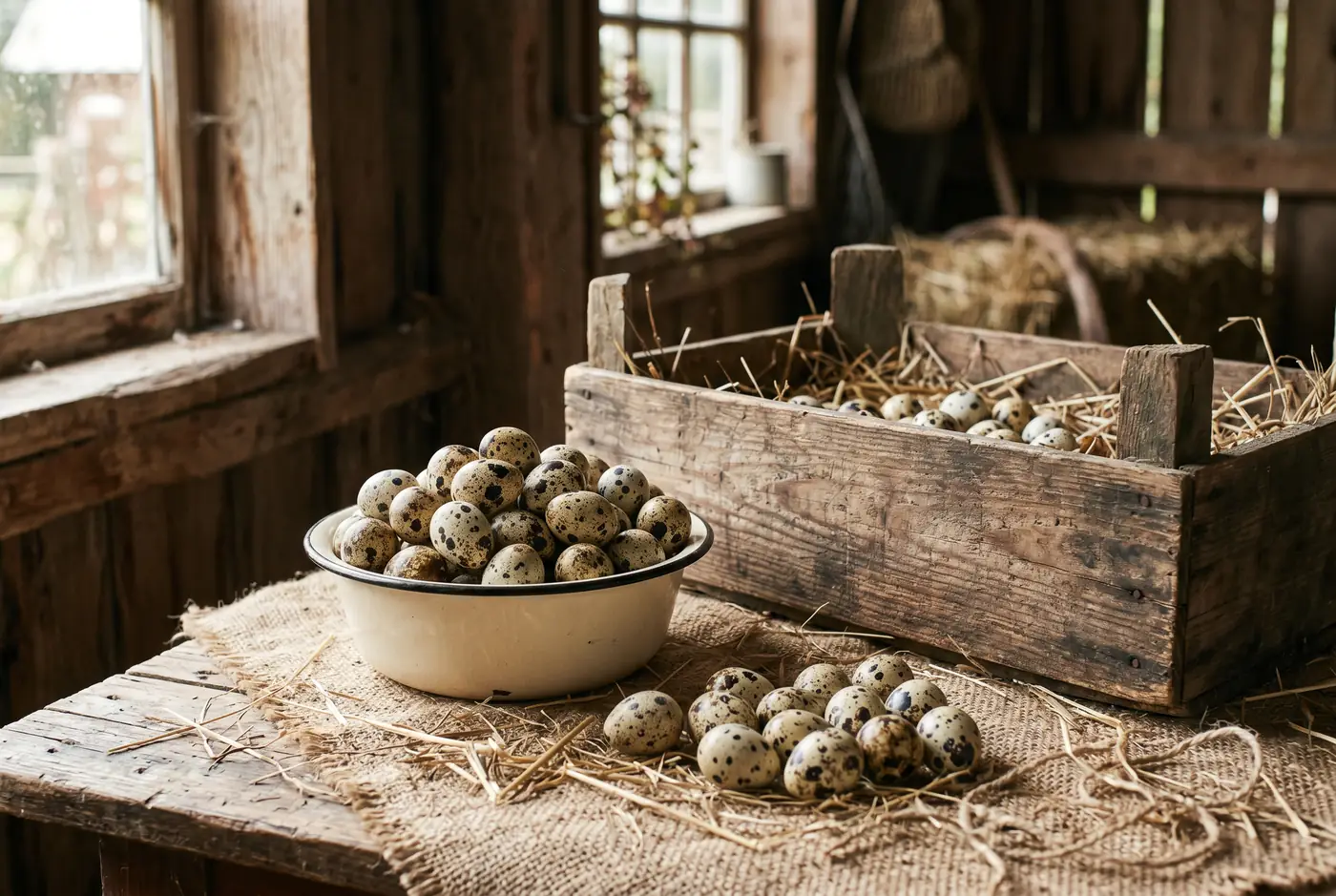
“Pollution is just a resource out of place.”
, David Gardner, founder & designer
The system
Insulated shipping-container shell, climate-controlled year-round. Heat waves, blizzards, and predators stay outside. Biosecurity isn't a protocol. It's the architecture.
David Gardner's design turns the waste stream back into the input stream. Lower feed cost, minimal discharge, and a system that gets more efficient the longer it runs.
No ground-up construction, no years-long buildout. A restaurant parking lot, a church lot in a food desert, a disaster staging area: if a truck can park there, protein production can start there.
One container is a pilot. Ten are a regional supply. A hundred are infrastructure. The unit economics are designed to repeat at every scale: you never rebuild, you replicate.
The math
The coturnix quail is the fastest protein cycle in practical agriculture. That speed changes what a protein investment looks like.
| Coturnix quail | Chicken | |
|---|---|---|
| Incubation | 15 days | 21 days |
| First egg | ~6 weeks | ~5 months |
| Time to first revenue | ~8 weeks | ~5–6 months |
| Eggs per year | ~300 | ~280 |
| Space per bird | ~1 sq ft | 3–4 sq ft |
| Generations per year | 4+ | ~1 |
| Flock replacement cycle | ~1 quarter | ~1 year |
What that means for capital: a chicken operation is dark for roughly five months before its first dollar of product. A quail flock reaches full production about eight weeks from setup. And because it renews four-plus times a year, a lost flock costs a quarter, not a year.
Figures are typical published coturnix husbandry ranges; per-unit capacity, feed cost, and margin models ship with the investor brief.
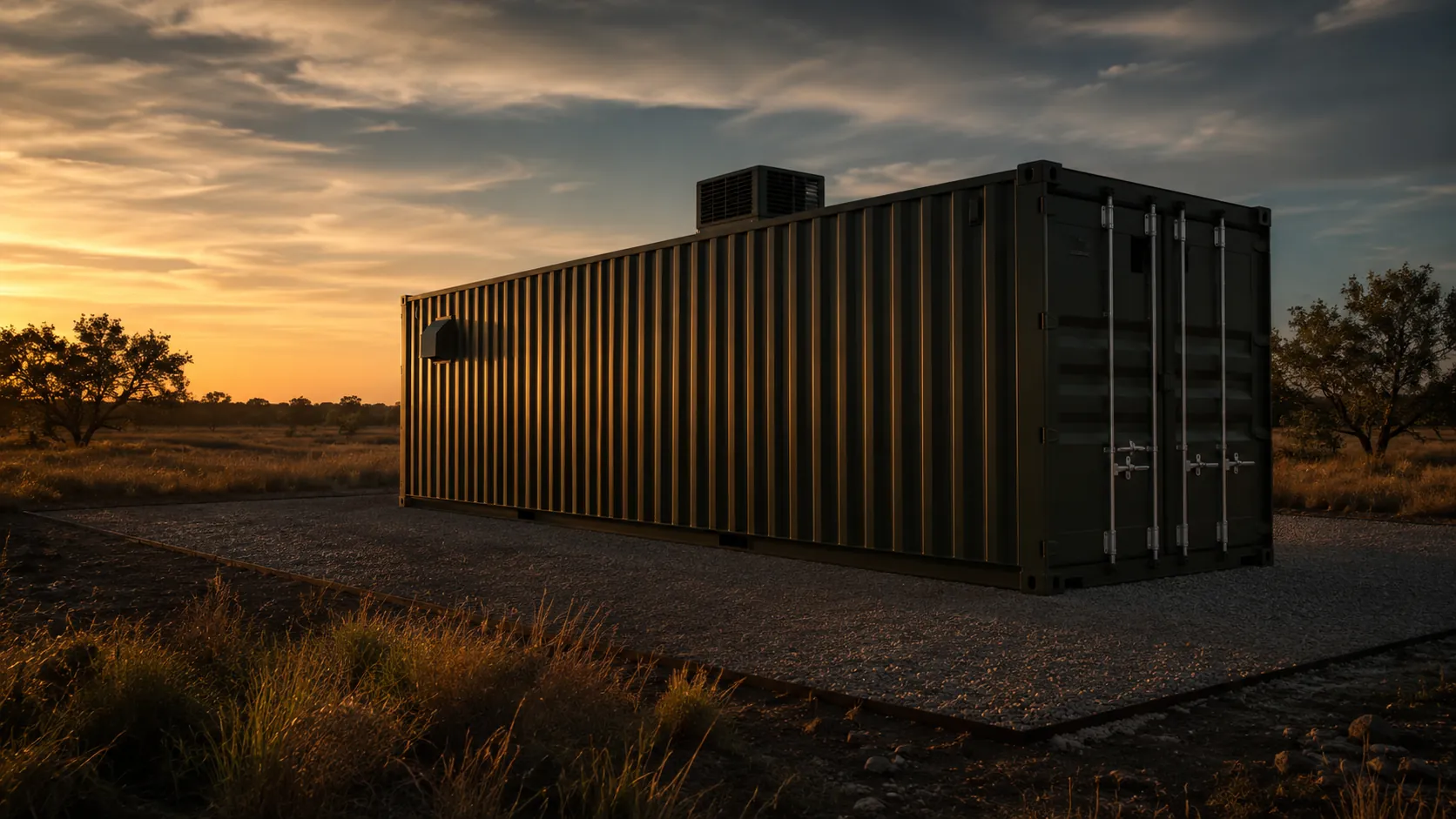
Off the page.
FIG. 6. A unit in the field
Onto the pad.
Who it's for
Raise the protein you serve.
A container behind the restaurant makes "farm-to-table" literal. Menu differentiation no chain can copy, a story that fills seats, and egg costs that never spike with the news cycle.
Proven at The Quail Shack, Cleburne TX. A working restaurant fed by this system.
Get a deployment timeline →Protein that arrives on a flatbed.
Disaster relief can move water and carbohydrates in days; fresh protein stays scarce for months. A container deploys to a staging area, is laying within six weeks of the flock's hatch, and keeps producing for two years. No cold chain to break.
Built for FEMA, state agencies & relief NGOs.
Request the emergency-response one-pager →A neighborhood-scale protein plant.
Parking-lot footprint. Run by a municipality, church, school, or nonprofit: producing fresh protein, local jobs, and hands-on education where grocery logistics have already failed.
For cities, counties & community organizations.
See a food-desert deployment plan →A replicable, closed-loop unit.
Purpose-built engineering, unit economics designed to repeat at any fleet size, and measurable food-security impact for ESG reporting. Deploy a fleet, license the system, or anchor a portfolio company on it.
Licensing & fleet inquiries welcome.
Request the investor brief →Proof
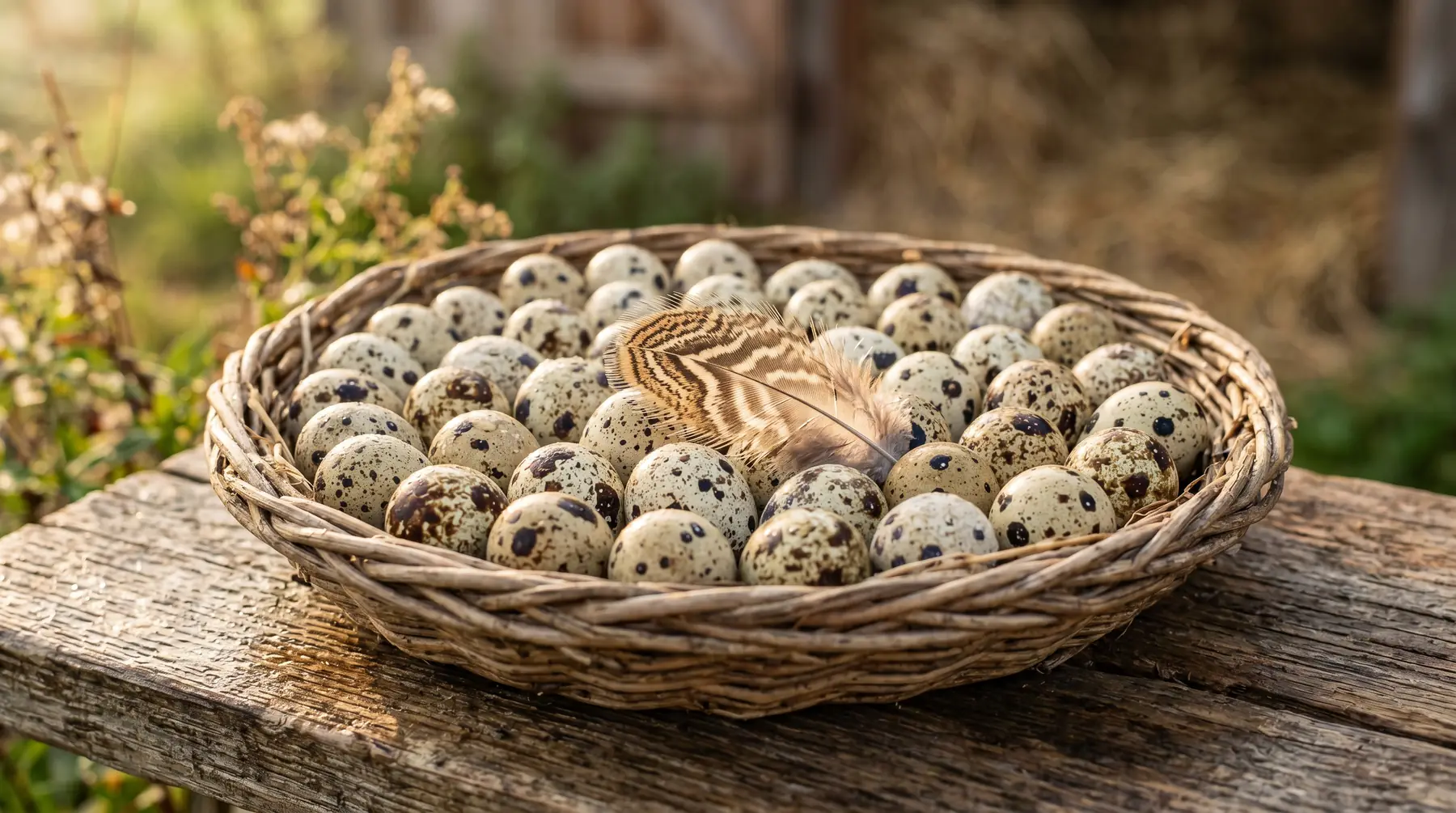
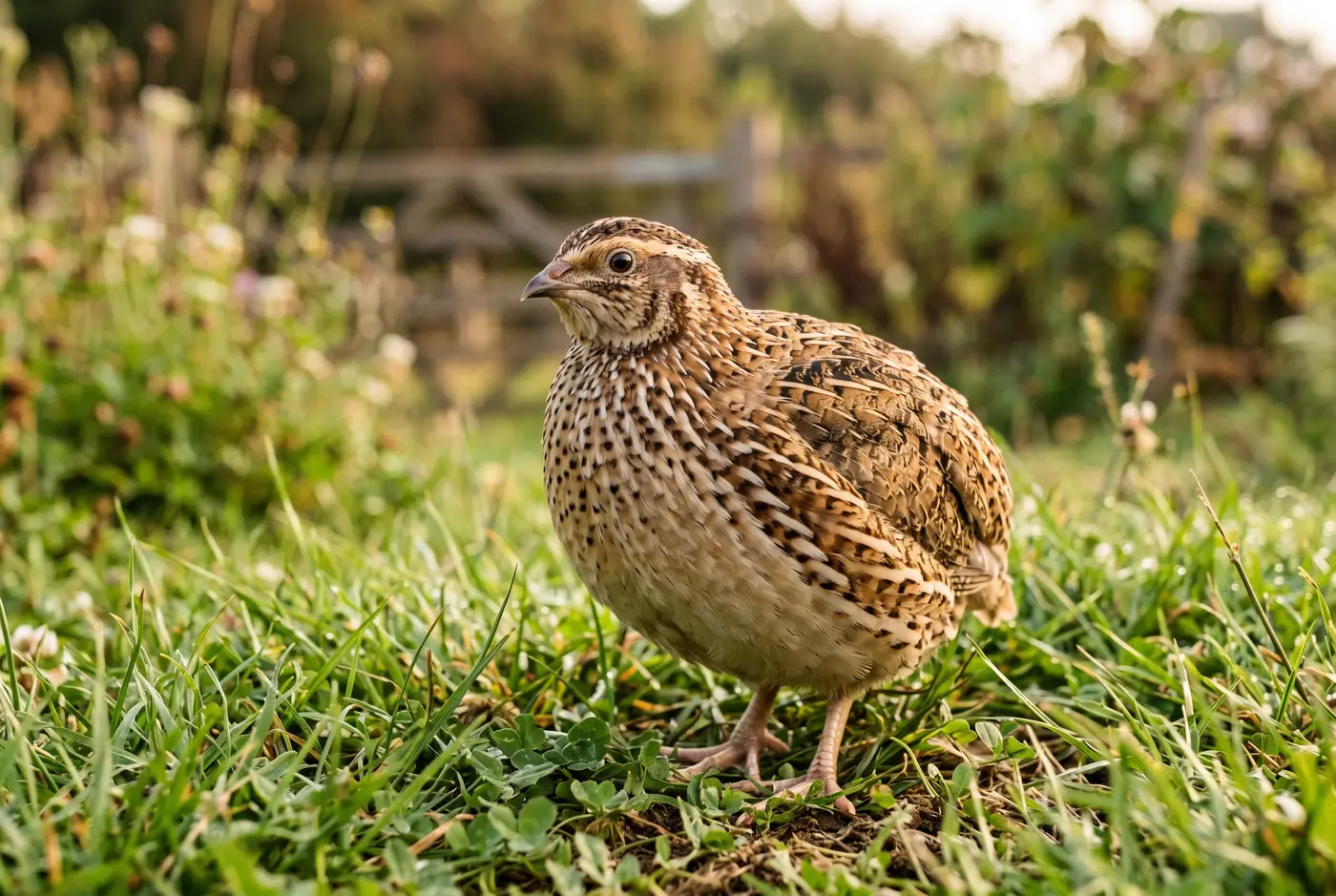
Quail in a Box isn't a pitch deck. It's a working ranch in Joshua, Texas that already feeds a real supply chain, end to end. Eggs gathered in the morning are on plates the same day.
The founder
David Gardner spent a career in pollution prevention, lecturing for USAID and writing curriculum for the EPA, before engineering that expertise into hardware. He holds licenses in water treatment, wastewater treatment and wastewater analysis, has taught sustainable development to thousands of college students, and ran a construction company. So he could wire, plumb and build the thing himself. The result is the closed-loop system at the core of every box.
He didn't stop at the drawings. He built the ranch, opened the restaurant, and launched the food truck to prove every link of the chain with his own money first.
Learn more
Speed and density. A coturnix quail hatches in 15 days and lays its first egg around week six. A chicken takes 21 days to hatch and roughly five months to lay. Quail also need about a quarter of the floor space per bird, which is what makes a shipping-container footprint viable at all. Three to four quail eggs equal one chicken egg in the kitchen, and chefs prize them as a premium ingredient.
A level pad a truck can reach, standard utility hookups, and a trained operator. The climate-controlled shell handles Texas summers and northern winters alike. Exact site specifications ship with the investor brief.
David Gardner's closed-loop, low-waste production system. The design that routes the operation's waste stream back into its input stream, so manure is treated on site and turned into viable fertilizer instead of becoming a disposal problem. That's state-of-the-art permaculture engineering, and it's the result of a career in pollution prevention: environmental science and policy degrees, licenses in water and wastewater treatment, lecturing for USAID and writing curriculum for the EPA. Full system documentation is available to qualified investors with the brief.
The Quail Shack, the family's own restaurant in Cleburne, Texas, runs its menu on these eggs and holds a 4.8-star Google rating. The all-quail food truck proves the same demand on the road. Beyond the family businesses: restaurants, farmers markets, and specialty grocers routinely pay a premium over chicken eggs.
Both problems are distance problems. A container collapses the distance between where protein is made and where it's eaten to zero: it deploys on a flatbed, produces on site for two years per flock, and needs no long-haul cold chain. For agencies, that means fresh protein at the staging area. For neighborhoods, it means a protein source that can't be cut off by grocery logistics.
Per-unit capex, operating cost, and five-year return models are in the investor brief rather than on this page. The numbers depend on configuration, volume, and deployment context, and we'd rather walk through them with you than post a headline figure that fits nobody's situation. The structural advantage is fixed: revenue starts about eight weeks from setup, and the flock renews four-plus times a year.
Quail eggs are sold across the U.S. today, so this isn't uncharted ground. Requirements vary by state and by use: egg grading, health-department rules for food service, and site permits (zoning, utility, wastewater) still apply, and the low-waste closed loop is designed to keep discharge minimal. The brief maps the specific approvals for a given deployment type.
Two things: the engineering, and the proof. This isn't a stack of cages. It's a closed-loop waste system designed by someone who holds water- and wastewater-treatment licenses and spent decades teaching sustainable development, and that know-how is the part that's hard to copy. And it isn't a concept. It already runs a ranch, a restaurant, and a food truck end to end. The container packaging is what turns a working system into something you can deploy, replicate, and scale by count rather than by rebuild.
The family businesses proved demand and the system. From here the sequence is: pilot units with early partners, then fleets for restaurant groups, agencies, and community programs, with system licensing as a parallel track for operators who want to run their own. Where a given partner enters depends on their goal. The brief lays out each path.
Unit specifications, capacity and production models, deployment timelines, operating requirements, system documentation, and licensing structure. Direct from the founder. Request it here.
Next step
Tell us who you are and we'll send the brief that fits: specifications, capacity models, deployment timelines, and licensing structure. Sent within 24 hours.
David Gardner · Quail in a Box, LLC · Joshua, Texas